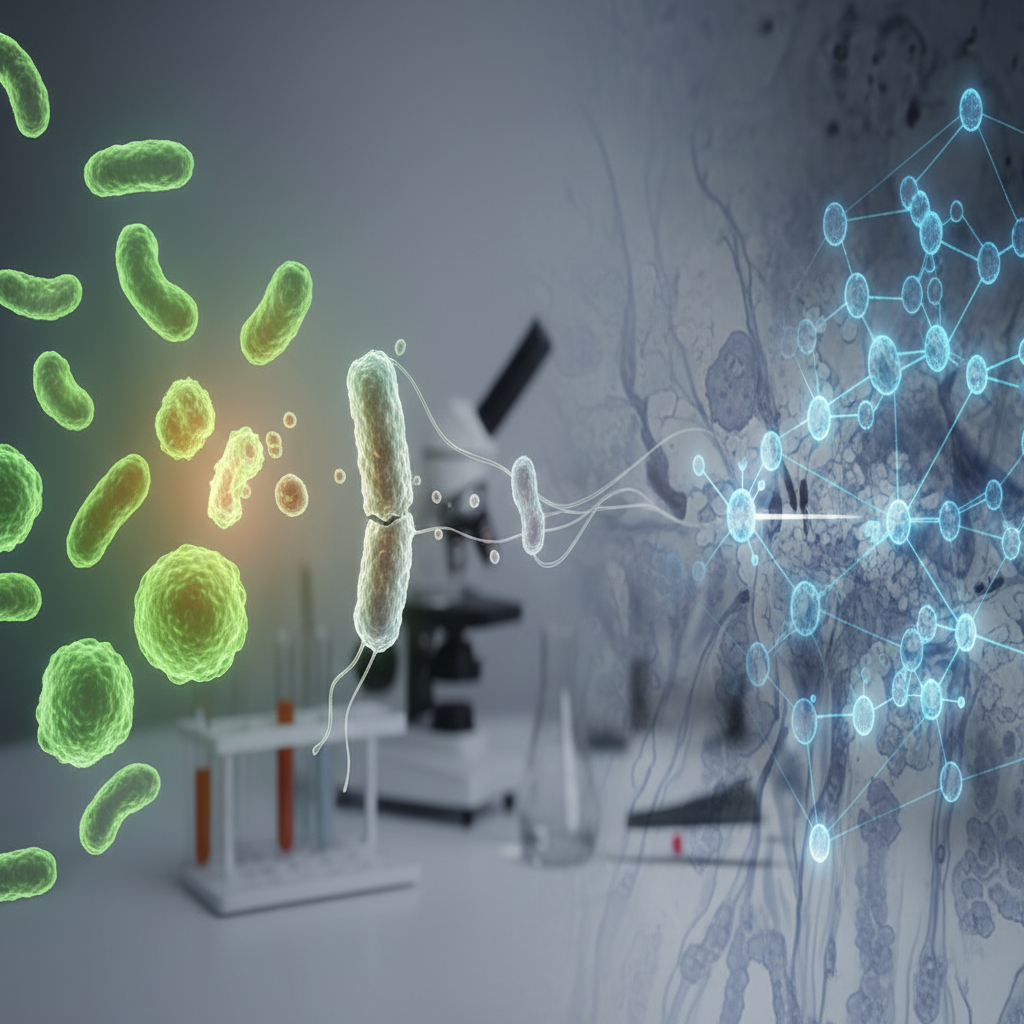
Could the immune system be trained to fight Candida better? Research points to a new antifungal strategy
Could the immune system be trained to fight Candida better? Research points to a new antifungal strategy
When doctors treat candidiasis, the basic playbook has long been familiar: identify the fungal infection, choose an antifungal drug, and try to clear the organism before it causes deeper harm. That approach remains essential. But researchers are increasingly interested in another side of the equation — not just the fungus itself, but the host response.
In other words, instead of asking only how to kill Candida, scientists are asking how to help the body fight it better.
That shift is behind growing interest in immune reprogramming for candidiasis, a broad idea that includes boosting, redirecting or fine-tuning the immune system’s antifungal behaviour. It is an appealing concept, especially as clinicians face difficult invasive fungal infections, drug resistance concerns and the reality that not all patients respond to infection in the same way.
Still, this is not a story about a ready-to-use new treatment. The strongest evidence supplied here is mainly mechanistic and preclinical. The safest conclusion is that host-directed antifungal strategies are becoming a serious area of investigation — not that immune reprogramming has already arrived in routine care.
Why candidiasis is not just about the fungus
Candida is a genus of fungi that can live harmlessly on or in the body but can also cause disease when the balance shifts. In some people, that means oral thrush or vaginal yeast infections. In others — especially those who are critically ill, immunocompromised or medically fragile — Candida can invade the bloodstream or deeper tissues and become life-threatening.
That range matters because it helps explain why the immune system is so central to the story. Susceptibility to candidiasis is not determined only by exposure to the fungus. It also depends on whether immune cells can recognise the pathogen, contain it, engulf it and coordinate a strong enough response without causing harmful collateral damage.
This is one reason the field has been moving towards host-directed thinking. If immune dysfunction helps determine who gets severe disease and who recovers, then correcting or strengthening antifungal immune responses becomes an attractive therapeutic goal.
A growing case for host-directed antifungal therapy
The broader literature supplied for this story supports that basic idea. One older review on chronic mucocutaneous candidiasis reinforces a long-standing lesson in fungal disease: when people are unusually vulnerable to Candida, underlying immune abnormalities are often part of the explanation. In those settings, treatment is not always just about suppressing the fungus. It may also involve understanding and addressing the host defect.
That principle has become more sophisticated in newer research. Rather than thinking only in terms of a weak or strong immune system, investigators are now looking at specific immune pathways, signalling systems and metabolic programmes inside cells such as macrophages and other phagocytes.
This is where the phrase “immune reprogramming” starts to make sense — though it should be used carefully. The evidence here does not show a single broad clinical method for reprogramming immunity against all forms of candidiasis. What it does show is that selected immune pathways appear to shape how effectively the host controls infection, and that tweaking those pathways can improve outcomes in experimental settings.
One pathway researchers are watching: C5a-C5aR1 signalling
One of the stronger supplied studies found that C5a-C5aR1 signalling helps phagocytes clear systemic Candida infection and is associated with better survival in the host. That is important because phagocytes are among the body’s frontline defenders against fungal invasion. If their function is impaired, Candida has more opportunity to spread.
The implication is not that clinicians should start manipulating this pathway tomorrow in patients with candidiasis. The implication is more foundational: innate immune programmes are not just background biology. They may be part of the therapeutic target.
That matters because antifungal care has often focused most heavily on the pathogen. But if survival also depends on how well immune cells respond, then strengthening those responses — in the right patients, at the right time — could become a meaningful complement to direct antifungal therapy.
Macrophages, lipid droplets and an unexpected antifungal angle
Another recent study pushes that idea further. It found that lipid-droplet regulation in macrophages influences antifungal phagosome formation, and that targeting this pathway improved host outcomes in a mouse model of disseminated candidiasis.
At first glance, that may sound highly technical. But the underlying message is straightforward: immune cells are not just passive infection fighters. Their internal metabolism and cellular organisation may shape how well they trap and destroy fungi.
This is part of a bigger trend in infection biology. Researchers increasingly understand that immune-cell performance depends on more than recognition of a microbe. It also depends on how the cell is fuelled, how it organises its internal machinery, and how it switches between different functional states.
That is why host-directed therapy has become such an intriguing concept. If scientists can identify the cellular programmes that make antifungal defence more effective, they may eventually be able to enhance them. In theory, that could help the body clear infection more efficiently or reduce the need for escalating antifungal drug exposure in some settings.
But again, theory is not treatment. This particular evidence includes animal-model work, which is valuable for mechanism but not enough to establish a human clinical standard.
Why this strategy is attractive now
There are practical reasons this line of research is attracting attention.
First, invasive fungal infections remain difficult and dangerous, particularly in hospitalised and immunocompromised patients. Second, antifungal options are fewer than antibacterial options, and resistance is a growing concern in some fungal pathogens. Third, outcomes in severe candidiasis depend not only on the fungus but also on the patient’s baseline health, immune status and inflammatory response.
Taken together, that creates a strong rationale for looking beyond fungus-targeting drugs alone. A host-directed approach may eventually offer something current therapy cannot fully provide: a way to improve antifungal defence even when directly attacking the organism is not the whole answer.
This does not mean conventional antifungals are being replaced. Far from it. The more realistic near-term vision is combination thinking — standard antifungal treatment supported, in carefully selected cases, by interventions that improve the host response.
The phrase “immune reprogramming” is promising — and somewhat ahead of the evidence
The headline language around immune reprogramming is compelling because it captures the ambition of the field. It suggests a future in which clinicians might deliberately reshape immune behaviour to make fungal defence more effective.
But that wording is also broader than the evidence directly provided.
The studies here focus on specific pathways and experimental contexts, not on a proven, broadly applicable clinical platform. They do not show that immune reprogramming is already a standard treatment for candidiasis. They do not establish which patients would benefit most, which forms of candidiasis are the best targets, what the timing should be, or how such strategies would interact with antifungal drugs in real-world care.
In other words, this is a story about direction, not arrival.
The risks of treating the host
Host-directed therapy can sound cleaner or smarter than directly targeting a pathogen, but it comes with its own concerns. Manipulating immune pathways may have unintended consequences, especially in patients whose immune systems are already unstable.
Push the response too little, and the infection may continue unchecked. Push it too much, and inflammation could become harmful. Effects that look beneficial in one infection context might be unhelpful or even risky in another.
That is especially important in candidiasis, which is not one single clinical entity. Mucosal infection, chronic susceptibility syndromes and disseminated candidiasis do not all behave the same way. A pathway that matters in one setting may not translate neatly to another.
This is why broad claims should be avoided. The current evidence supports host-directed antifungal investigation, not a universal immune-based solution to Candida disease.
What this could mean for future care
Even with those limitations, the research direction is meaningful. It reflects a more modern understanding of infectious disease: outcomes often depend on the interaction between pathogen and host, not on the microbe alone.
If that thinking continues to hold up, future candidiasis treatment may look more layered than it does now. Instead of relying entirely on antifungal drugs, clinicians may eventually combine direct fungal suppression with approaches designed to strengthen phagocyte function, improve immune coordination or correct specific vulnerabilities in high-risk patients.
That would be a notable shift in antifungal medicine. But for now, it remains a developing scientific strategy rather than established practice.
A balanced reading of the evidence
The supplied research supports the broad idea that immune-cell function is central to protection against Candida and that this may be a useful therapeutic target. Studies on C5a-C5aR1 signalling and macrophage lipid-droplet regulation strengthen the case that boosting selected innate immune programmes can improve antifungal defence, at least in experimental models. Older literature on chronic mucocutaneous candidiasis also supports the long-standing principle that immune correction can matter in managing susceptibility.
What the evidence does not show is that immune reprogramming is already a proven clinical treatment for candidiasis. The strongest data are still mechanistic or preclinical, and the phrase itself reaches beyond what has been directly demonstrated.
The most responsible conclusion is that antifungal research is beginning to look more seriously at the host as part of the treatment strategy. That shift could prove important. But for now, immune reprogramming for candidiasis is best understood as a promising research direction — one that may eventually complement standard antifungal care, rather than replace it.