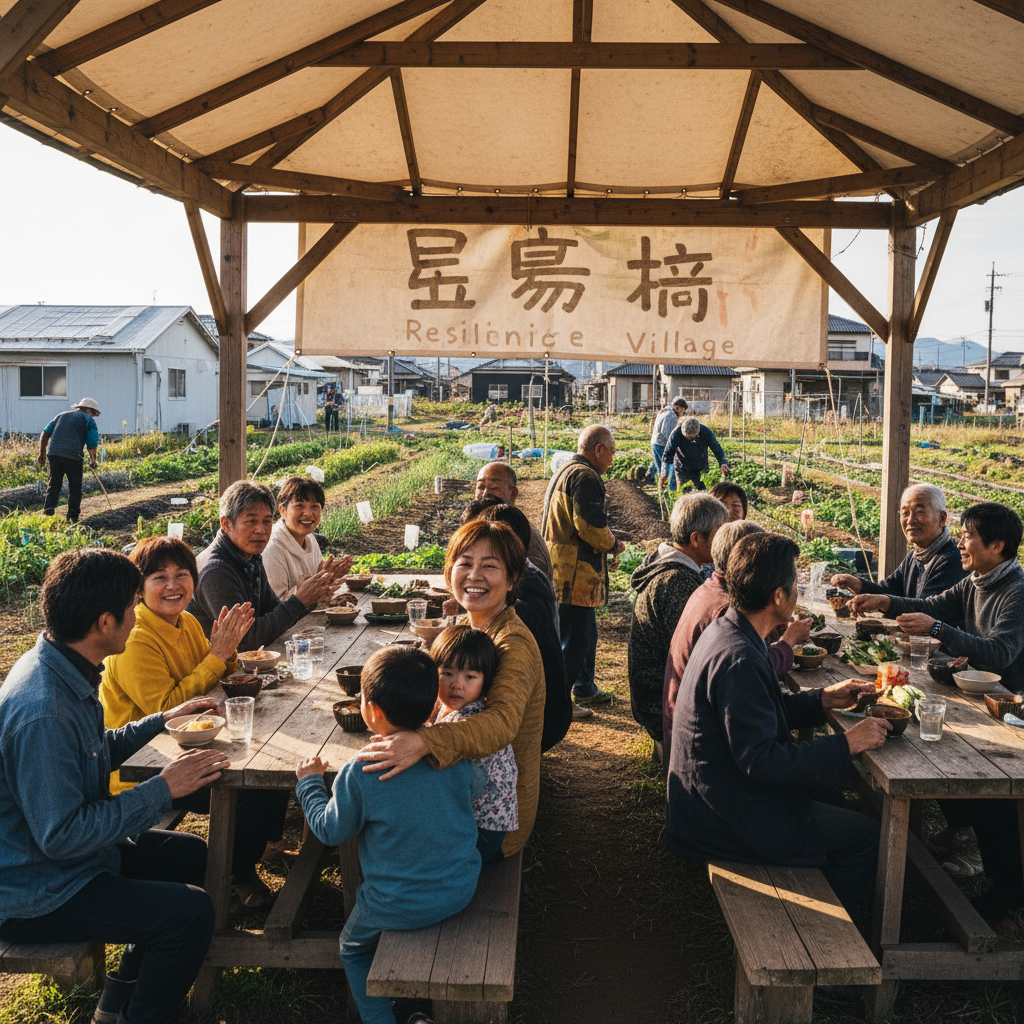
Why a sense of belonging may matter for mental health after disaster
Why a sense of belonging may matter for mental health after disaster
When disaster strikes, the immediate priorities are obvious: safety, shelter, food, water, medical care and rebuilding. But long after the headlines fade, many survivors are left dealing with another kind of damage — one that is harder to photograph and harder to repair.
Disasters can shatter more than buildings. They can disrupt neighbourhood routines, scatter social groups, weaken community trust and leave people feeling detached from the places that once gave structure to everyday life. That is why the conversation around belonging and mental health after disaster deserves more attention.
The strongest reading of the supplied evidence is not that belonging is a cure-all, or that one cultural idea has solved post-disaster trauma. It is something more grounded and, in many ways, more important: social connection, community ties and attachment to place appear to support mental health recovery after disasters, making belonging a meaningful part of psychosocial recovery alongside clinical care.
Why recovery is not only an individual process
Mental health after disaster is often framed in individual terms. Who is developing anxiety? Who has symptoms of depression? Who needs therapy, medication or trauma-focused care?
Those questions matter. But they are not the whole picture.
The supplied literature suggests recovery also depends on the social environment around a person. One of the stronger themes in this evidence is that community-level social capital has been linked to lower post-disaster depression risk. In plain terms, that means people may fare better psychologically when they are surrounded by trust, mutual support, shared norms and functioning local relationships.
That is an important shift in perspective. It suggests that emotional recovery is not only about what happens inside an individual mind. It is also about the social fabric that helps hold people up when ordinary life has been torn apart.
What “ibasho” helps put into words
The specific concept of ibasho is not directly studied in the supplied PubMed papers. Still, the broader idea behind it fits well with what the evidence does support.
Ibasho is often understood as a place — physical, emotional or relational — where a person feels safe, accepted and able to be themselves. In a post-disaster setting, that idea resonates because disasters often destroy exactly that feeling. People may still be alive, but no longer feel located in the life they knew before. Their home may be gone, their neighbours dispersed, their routines interrupted and their sense of social identity shaken.
Seen through that lens, belonging is not a soft extra. It may be one of the foundations of recovery.
Social ties appear to matter before, during and after disaster
Another key finding in the supplied evidence comes from research following major wildfires. That work suggests stronger pre-existing group connections, continuity of social ties and the formation of new group ties were associated with greater resilience and less distress.
This is an especially useful insight because it shows that support is not just about emergency aid in the first few days. The social structure people bring into a disaster — and the one they are able to rebuild afterward — may shape how they cope over time.
That can include:
- neighbours who check in on one another;
- familiar groups that continue meeting after displacement;
- religious or cultural communities that provide continuity;
- schools and local organisations that restore routine;
- and new connections formed during recovery.
Taken together, these findings support the idea that resilience is often social, not just personal.
Why place matters to psychological recovery
The place-attachment literature adds another layer. Home, neighbourhood and community are not merely backdrops to life. They help organise identity, memory, routine and a basic sense of orientation.
When a disaster damages or erases those places, the loss can be deeply psychological as well as material. A familiar street corner, a local gathering place or a longstanding home may carry far more emotional weight than outsiders realise. Losing them can intensify grief, dislocation and distress.
That helps explain why recovery cannot be measured only by whether roofs are repaired or utilities are restored. People also need some way of reconnecting with meaningful places, whether through rebuilding, commemorating what was lost or creating new spaces where community life can resume.
Belonging is not a substitute for treatment — but it may strengthen recovery
One of the most important cautions in this topic is also one of the most useful. The evidence does not support the idea that belonging alone is sufficient for recovery.
Some survivors will need formal mental health treatment. Others may need housing support, financial assistance, medical care or protection from ongoing stressors. And social support itself is not automatically beneficial in every form. Some research suggests that certain kinds of dependence or support can also be associated with greater distress.
So the right takeaway is not that community replaces care. It is that recovery may be stronger when both are present.
That means a more complete post-disaster response might include clinical services, yes, but also:
- rebuilding community spaces;
- supporting local networks and mutual aid;
- restoring social routines;
- preserving ties where possible during displacement;
- and recognising the emotional value of place.
What this means for public health and policy
The public health implication is hard to ignore. If belonging, trust and attachment to place shape post-disaster wellbeing, then recovery planning should not focus only on infrastructure and individual treatment pathways.
It should also ask:
- Are people still connected to one another?
- Have community gathering points been restored?
- Are support networks intact or fragmented?
- Do displaced residents have ways to maintain continuity with their neighbourhood or culture?
- Are recovery efforts helping people regain not just shelter, but social footing?
These are not sentimental questions. They are part of what may determine whether distress eases or lingers.
Why caution still matters
Even though the overall message is compelling, the evidence has limits. The supplied PubMed articles do not directly test the ibasho concept itself, so any article should avoid presenting that idea as scientifically validated in its own right.
Most of the evidence is also observational or review-based. That means it is better at showing associations than proving that belonging directly causes better mental health outcomes. Disaster contexts vary enormously by culture, geography, scale and social structure, so findings may not apply evenly across all populations.
That said, the broader pattern remains persuasive. Across different lines of evidence, social connection and place-based belonging keep appearing as meaningful parts of the recovery landscape.
The most balanced interpretation
The safest and strongest conclusion is that a sense of belonging, social connection and attachment to place may support mental health recovery after disasters, and that concepts like ibasho offer a useful lens for understanding resilience beyond clinical treatment alone.
What the literature supports most clearly is not a single recovery formula, but a broader truth: people recover not only through services and symptom management, but also through relationships, continuity and the feeling that they still have a place in the world.
After disaster, rebuilding walls matters. Rebuilding belonging may matter too.