Engineered Bacteria Could Become the Next Drug Delivery Tool in Bowel Cancer
Engineered Bacteria Could Become the Next Drug Delivery Tool in Bowel Cancer
At first glance, it sounds like the sort of idea that belongs more in speculative fiction than in a medical journal: use bacteria to treat cancer.
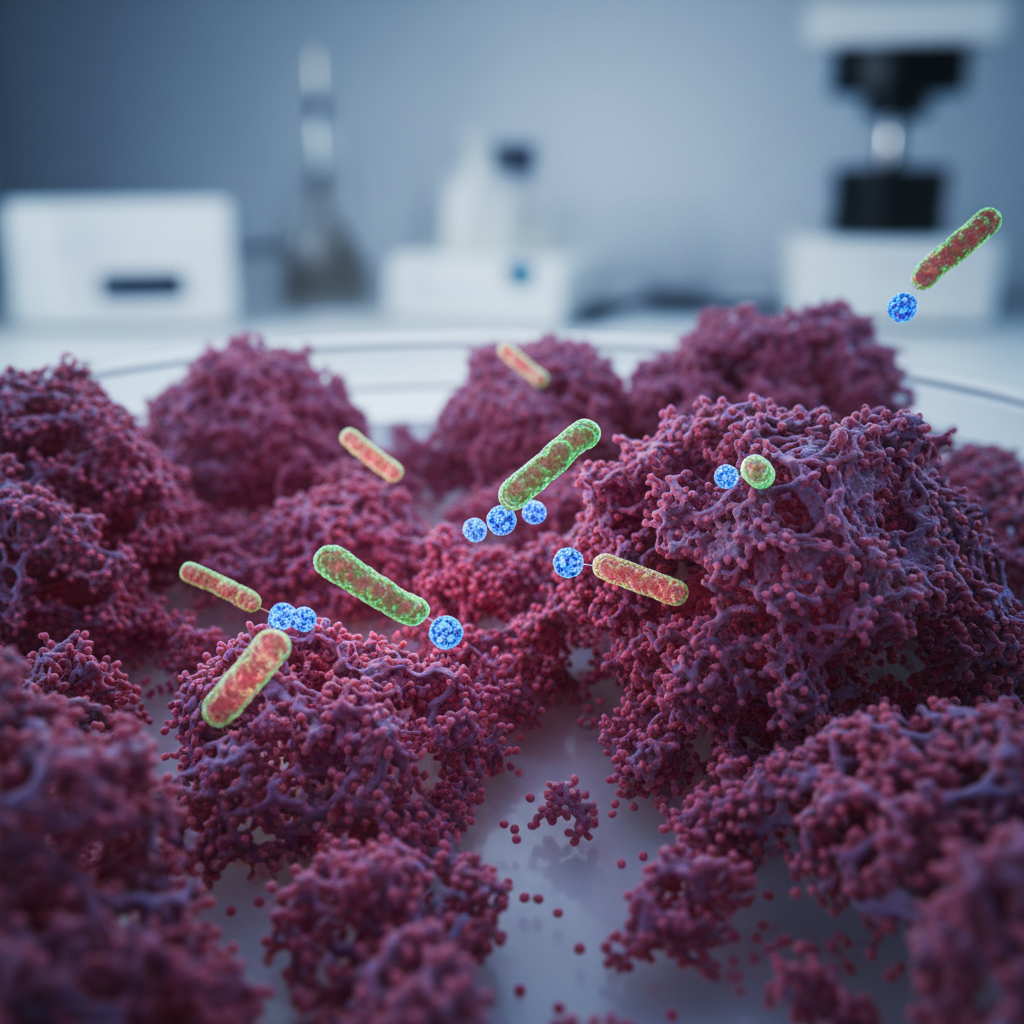
And yet that is exactly where some of the most intriguing work in bioengineering is now heading. In colorectal cancer, researchers are investigating whether bacteria can be redesigned into living delivery systems capable of locating tumours, releasing therapeutic payloads and altering the tumour environment in ways that support anti-cancer treatment.
This is not, to be clear, a near-term clinical breakthrough. There are no human trials here proving that patients with bowel cancer will soon be treated with carefully programmed microbes. But as a scientific direction, the idea is becoming increasingly credible. What once sounded eccentric is now taking shape as a serious proof-of-concept story.
Why bacteria have entered the cancer conversation
Bowel cancer develops in one of the most microbially dense parts of the human body. The gut is already home to trillions of bacteria, and those organisms do not merely coexist passively with us. They interact with the intestinal lining, influence immune signalling, shape inflammation and help create the biochemical environment in which tumours grow or struggle.
That makes colorectal cancer a particularly logical place to explore bacterial therapies. Unlike many standard drugs, bacteria are living systems. They can detect local conditions, survive in specific niches, produce biological molecules on site and, at least in principle, be engineered to respond to external control.
That creates an alluring possibility: rather than sending anti-cancer treatment throughout the whole body and hoping enough reaches the tumour, it may be possible one day to use microbes to carry therapy directly to where it is needed.
In bowel cancer, where the disease sits in a bacteria-rich environment to begin with, that concept has a particular biological elegance.
What the research actually shows
The literature supplied supports the broader idea that bacteria can act as therapeutic tools in colorectal cancer in at least three different ways: by targeting tumours, by modulating the immune environment and by delivering anti-cancer payloads.
One of the cited studies found that programmable bacterial systems could be used to induce anti-cancer therapeutics under external control, with activity seen in colon cancer and colorectal cancer models. That point matters because control is one of the central problems in any live bacterial therapy. A useful bacterial system has to do more than simply survive. It has to act predictably, preferably only in the intended setting, and ideally in response to defined triggers.
Another study found that a bacterial acetyltransferase derived from Akkermansia muciniphila could reprogramme the tumour microenvironment and enhance cytotoxic T-cell-related anti-tumour responses in mouse models of colorectal cancer. In simpler terms, a bacterial-derived mechanism appeared able to make the tumour environment less supportive of cancer and more receptive to immune attack.
A broader review on gut microbiota and cancer immunotherapy adds to that picture, suggesting that engineered bacteria are emerging as a promising class of intervention for gastrointestinal tumours, including colorectal cancer.
Put together, these findings do not amount to a new treatment standard. But they do support a shift in thinking. Bacteria are no longer being considered merely part of the background ecology of bowel cancer. Increasingly, they are being explored as tools that might be turned against the disease itself.
Why the idea is so appealing
Cancer medicine has long pursued the same difficult goal: how to hit the tumour harder while harming the rest of the body less.
Traditional chemotherapy, for all its value, spreads widely through the body. Even more sophisticated treatments such as targeted therapies and immunotherapies still face obstacles around delivery, resistance and side effects. A bacterial platform offers something different: not just a drug, but a potentially responsive and programmable biological vehicle.
That matters because the tumour microenvironment is increasingly recognised as a major part of the cancer problem. Tumours are not just clusters of malignant cells. They are ecosystems, shaped by immune cells, inflammation, blood supply, signalling molecules and, in the bowel, microbial interactions.
A therapy that can work within that ecosystem rather than simply passing through it is naturally attractive. In theory, engineered bacteria could do more than release a drug. They might one day be designed to sense tumour-specific conditions, activate only under certain circumstances, or help prime the immune system alongside other treatments.
That versatility is one reason this field is drawing such attention.
The catch: this is still preclinical science
For all the excitement, it is crucial not to overstate what has been achieved.
The evidence supplied here is largely preclinical. That means mouse models, laboratory systems and proof-of-concept studies, not clinical trials in people. And oncology has a long history of treatments that looked impressive in animals but failed in humans.
Sometimes the biology does not translate. Sometimes the effect is too small. Sometimes toxicity, unpredictability or manufacturing problems make the whole idea impractical.
With live bacterial therapies, those concerns become even more pressing. A bacterium is not an inert drug molecule. It is a living organism with its own behaviour, its own interactions and its own capacity for unintended consequences.
That is why this story should be read as a research advance, not as a therapeutic breakthrough.
Safety is the central obstacle
If there is one reason bacterial therapy remains a long way from routine cancer care, it is safety.
Researchers would need to solve a series of difficult problems before such an approach could move into mainstream oncology. Can the bacteria be prevented from causing infection? Can their activity be tightly controlled? Can they be stopped or cleared if something goes wrong? Will they behave consistently across different patients, whose immune systems and gut microbiota may be very different? And can they be manufactured in a way that is reliable enough for clinical use?
None of these questions are minor. They are exactly the sort of issues that decide whether a concept survives the journey from bench to bedside.
There is also a subtler issue in the way the story is framed. Not all of the studies supplied map neatly onto the specific headline phrase “common food-borne bacteria”. The broader concept of bacterial platforms in colorectal cancer is well supported, but the exact wording of the headline is somewhat looser than the evidence base itself.
That does not undermine the science. It simply means the core story is slightly broader: engineered bacteria as a therapeutic platform, rather than one very specific category of food-linked microbes.
What this might mean for patients in the future
If bacterial therapies can eventually be made safe and controllable, they could open up a genuinely new therapeutic layer in colorectal cancer care.
They might be used to carry anti-cancer molecules directly to tumours, to modify the tumour microenvironment so that immunotherapy works better, or to provide an option in patients whose tumours are difficult to reach or resistant to standard treatment.
That would not necessarily replace surgery, chemotherapy, radiotherapy or immunotherapy. More likely, it would complement them. The future of cancer treatment increasingly looks combinatorial, and engineered bacteria could become one more tool in that mix.
But for now, the practical significance lies elsewhere. These studies show that it is possible to engineer bacterial systems that behave in therapeutically interesting ways in colorectal cancer models. That may sound modest, but in a field where many ideas fail at the first hurdle, it is meaningful progress.
Why this matters now
Bowel cancer remains one of the most important cancers in public health. At the same time, interest in the gut microbiome’s role in health and disease has exploded. It is hardly surprising that those two lines of research have started to meet.
What makes this story especially compelling is that it reflects a larger trend in medicine: the move towards treatments that are more local, more programmable and more biologically integrated. The future of oncology may not be defined only by drugs in the conventional sense, but by engineered systems that behave more like living tools.
That future is not here yet. But research like this is one of the ways it starts to come into view.
The bottom line
Engineered bacteria for colorectal cancer should be understood as an experimental bioengineering story, not as a sign that a new treatment is just around the corner.
The science so far supports the broader concept that bacteria can be harnessed to target tumours, modulate the immune environment and deliver therapeutic payloads in colorectal cancer models. That makes bacterial platforms a credible line of research.
But credibility is not the same as clinical readiness. Human safety, dose control, infection risk, immune effects and manufacturing consistency all remain major hurdles.
For now, the most accurate way to read this work is as proof that a once improbable idea is beginning to work in the laboratory. Whether it can make the leap into real-world bowel cancer care is the much harder question still to be answered.